
Learning is a means to an end. The end is always behavior.
Knowledge is only interesting if it leads to action.
If you can get the behavior without learning, go for that.
One day where you learn the method we use in all our own client projects — and go home with a plan for your own course.
We also run the course as an in-house course at your company
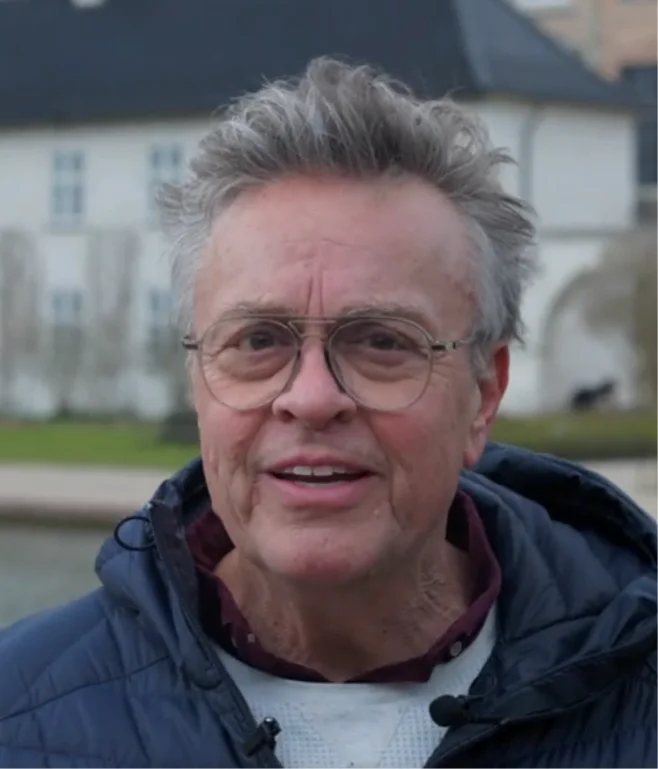
»Did I get what I asked for? No, I got MUCH more.«
The course
You go home with
A DUDUR plan for a real course you are facing right now — including a reasoned decision on whether it should be built at all.
The method you learn
The DUDUR method
5 steps and 9 key points if you want to change behavior.
L&D managers, e-learning developers, HR development, internal trainers, communications people and consultants. You do not need to know Rise, Storyline or Vyond.
The course is about the method, not about the buttons in Storyline, Rise or Captivate.
Sound familiar?
You click your way through — next, next — and do exactly the same as before.A waste of time.
The DUDUR method
A model for you if you are tired of making courses that change nothing.
The 5 steps
DUDUR is Danish for Define, Investigate, Design, Develop and Roll out.
What should people do afterwards — concrete enough that you could see someone do it?
What stands in the way of the behavior today? Talk to the people it is about before you design anything.
Choose the format based on the behavior and the situation — and dare to conclude that it should not be a course at all.
Build what it takes: short, concrete and for the situation it will be used in.
Timing, reminders where the action happens, and the manager as co-sender decide whether it lives on after day 1.
9 key points
Knowledge is only interesting if it leads to action.
If you can get the behavior without learning, go for that.
If you do not know what you want people to do, you cannot teach them to do it.
Unclear goals lead to bad solutions.
What prevents the behavior today? Talk to the target group.
Can’t they? Won’t they?
If you MUST convey knowledge, work backwards — and find out what that knowledge is for.
Nobody learns anything from dragging and dropping items in an exercise.
You learn when you reflect, when the material makes sense — and you know what it is for.
Sometimes a reminder, a checklist or a change to a system is better.
Start with the behavior — not with the format.
You can make the best content in the world … but if it is rolled out badly, it will not work.
You cannot even force yourself to learn.
But you can create conditions that make people want to learn.
Point 09
DUDUR is not just a process. It is a way of making choices — also about what you should not make.
Past participants
The DUDUR course was a really good and inspiring course. Tomas is good at making things simple and understandable, and it was really good to have concrete examples of DO’s and DON’Ts. That is something that has stuck well in my memory afterwards. All in all, I can warmly recommend the course to anyone who develops e-learning themselves.
Thank you for a really good and instructive e-learning course. It was really great to be part of it. And we had really good conversations. I look forward to being able to use what I have learned!
In-house course
We also run DUDUR as an in-house course at your company — on a day that suits you, and with your own tasks on the table. Then you go home with a shared method and a plan for a course you are actually facing.
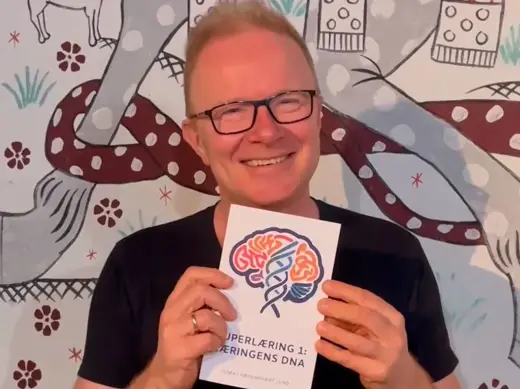
Trainer
Tomas has made e-learning for more than 25 years for over 150 clients, including Per Aarsleff, Tryg, Odense Municipality and Region Zealand. He is the author of the book Superlæring: Læringens DNA (in Danish) and developed the DUDUR method, which ElearningSpecialist itself uses in all client projects. Read about the DUDUR method.
Thanks to …
Interest list
New dates are announced on an ongoing basis. Sign up and we will let you know.